
Picking a poker room used to mean asking around the local and seeing who ran a decent Friday comp. These days the choice runs into the dozens, and most of the marketing copy reads identically. Having watched payment rails and consumer brands for the better part of three decades, I tend to judge a lobby the same way I judge a fintech app: by how quickly I can recognise what it does, what it costs me, and what happens when something goes sideways. That’s the lens for this look at poker rooms australia, with the practical filter sitting on localisation, interface, and everyday usability. If the room speaks plain Australian English, weighs in AUD without stingy conversion margins, and lays its tournament schedule out the way a Melbourne tram map lays out routes, the rest usually follows. Where it doesn’t, I say so.
Interface Design and Visual Identity
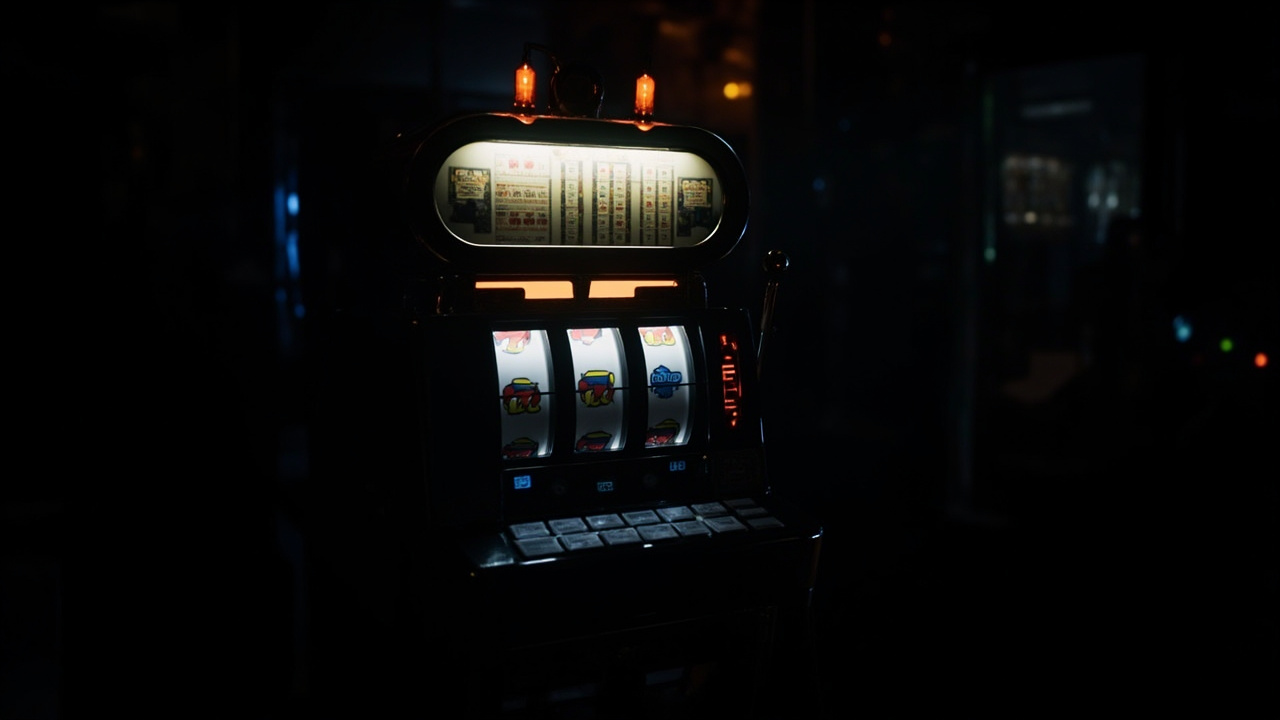
The first thirty seconds in a poker lobby matter more than the welcome bonus. The better Aussie-facing rooms keep their visual identity restrained: a dark navy or charcoal canvas, lime or amber accents, and card art that doesn’t strain your eyes at 1am. Cluttered banners, pop-up chat widgets covering the buy-in button, and six rotating promotional ribbons are not «energy» – they’re navigation debt. After thirty years building products where the dashboard is the product, I can tell you the same rule applies here. A clean lobby is a sign that the engineering budget went into the client, not into growth-hacking overlays. If you can’t read the table stakes, the player count, and the blind level without squinting, the room is optimising for someone who isn’t you.
Localisation, Currency, and Payments
Localisation is the section where most international rooms quietly fail Australians. Currency is the obvious tell. A room that deposits in USD or EUR and «converts» at a margin you only notice on a withdrawal statement is costing you real money on every cashout. Look for AUD as the default account currency, with deposits and withdrawals in Aussie dollars no conversions applied on your end. Payment rails should include POLi and PayID alongside the usual cards, because nothing kills momentum like waiting three business days for a transfer when you’re trying to register for a Sunday major. Language matters too: a site that ships with Australian English spelling, AEST/ACST/AWST time stamps in the tournament lobby, and responsible-gambling links to state-specific services like Gambling Help Online is doing the localisation work, not just slapping an Aussie flag on the footer.
Everyday Usability and Mobile Performance
A poker room earns its keep in the moments nobody talks about: filtering the lobby by buy-in, registering for a satellite with two taps, having your seat reserved when your train pulls into Brisbane Central and you finally get bars of signal. The rooms that handle this well treat the mobile client as the primary product, not a downsized afterthought. Smooth portrait-mode tables, landscape rotation without losing the hand history, and a cashier that remembers your last deposit method are the small things that separate a daily driver from a holiday download. I’ve seen enough app rebuilds in adjacent industries to know that a snappy table-resume and a cashier that doesn’t force a re-login are worth more than any headline promo. If the search function lets you jump from «AUD 110 freezeout» to the seat in under three seconds, you’re in the right room.
Limits, Trade-offs, and Honest Conditions
No room is perfect, and the honest ones say so in their terms rather than burying it. Check the rake structure: a capped percentage with a transparent cap beats a tiered system that quietly takes more at the micro and mid stakes. Read the bonus mechanics for playthrough weighting – if only slots count toward your clearing requirement, the «poker bonus» isn’t a poker bonus. Withdrawal limits and pending periods are the other giveaway: a room that processes AUD payouts inside 24 hours via PayID or POLi is operating a different cost structure than one that strings you along for five days. Off-peak traffic is real too. Prime-time Aussie evenings fill lobbies fast, but if you log on at 10am AEST and find a single lonely table, that’s a liquidity problem worth noting before you commit your bankroll. Also worth keeping bookmarked is this sensible piece on online poker tournaments for players who want a measured take on tournament pacing and conscious play.

Comparing it all to other consumer platforms I have shipped and scaled, the calculus is straightforward. A poker room that localises properly, renders cleanly on your phone, and pays you back in your own currency without theatre will out-compete flashier options that treat Australia as an afterthought. If you want to test the shortlist yourself, playcasoola.org is a reasonable starting point to see how a modern, AUD-native lobby actually feels in the hand. Reckon on giving any new room a full week before judging, because the registration flow can flatter and the withdrawal flow is what tells the real story. No worries if the first one doesn’t suit – the market is deep enough now that the right fit is out there.